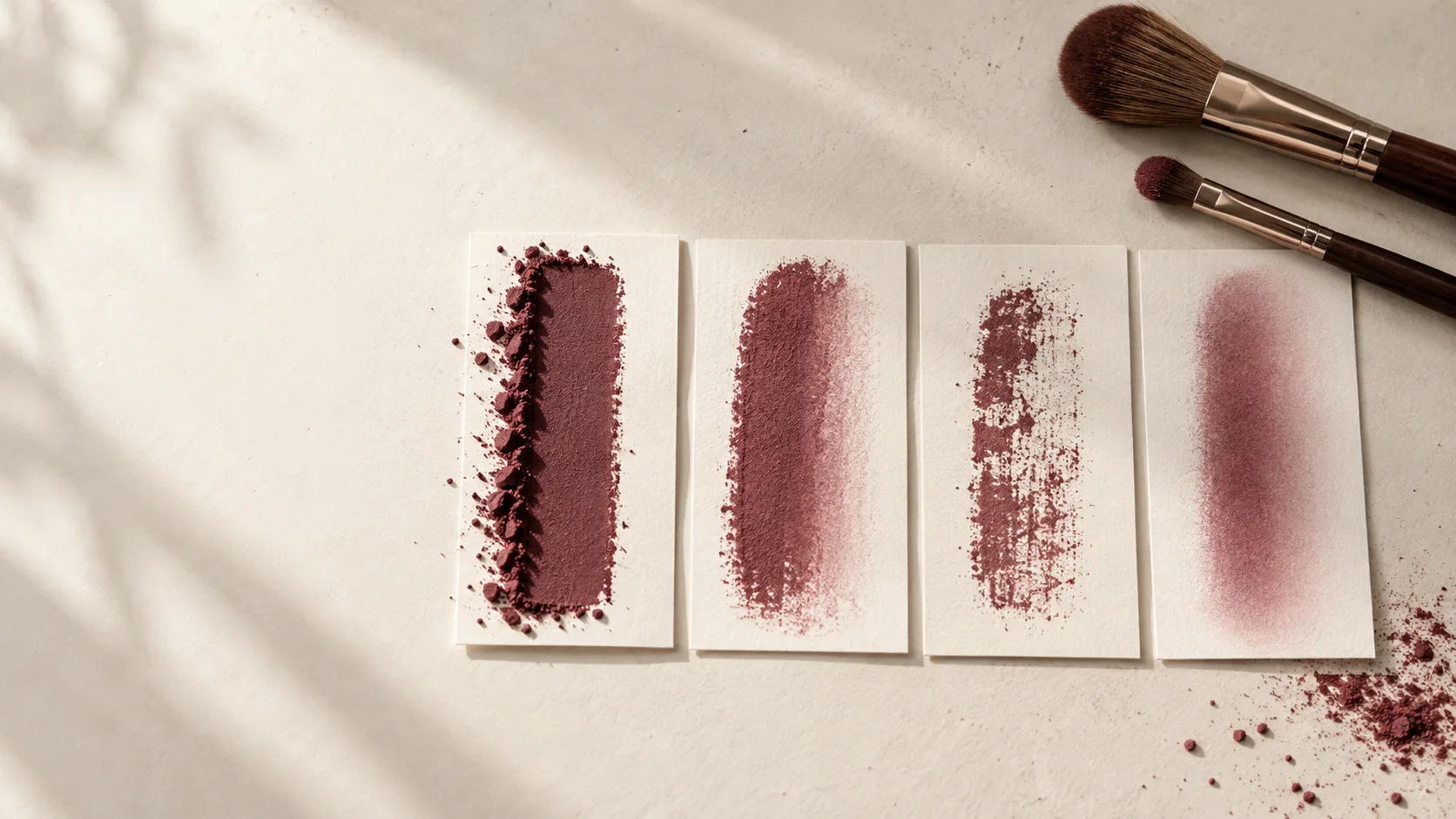
Edge Control: Pressure, Product Load, and Diffusion
Find out whether a hard, muddy, or expanding edge begins with pickup, placement, pressure, or a loaded tool.
Read the diagnosticMakeup, examined
Look past the product category. Read the film, edge, texture, color, tool, and conditions.
editorial.makeup explains what changes when pressure, layer thickness, dry-down time, formulation, undertone, lighting, or brush geometry changes—and how to test the difference without relying on hype.
Look at the evidence first
Focus
Read the evidence
Start with the failure you can observe, then test the variable that could have produced it.
Find out whether a hard, muddy, or expanding edge begins with pickup, placement, pressure, or a loaded tool.
Read the diagnostic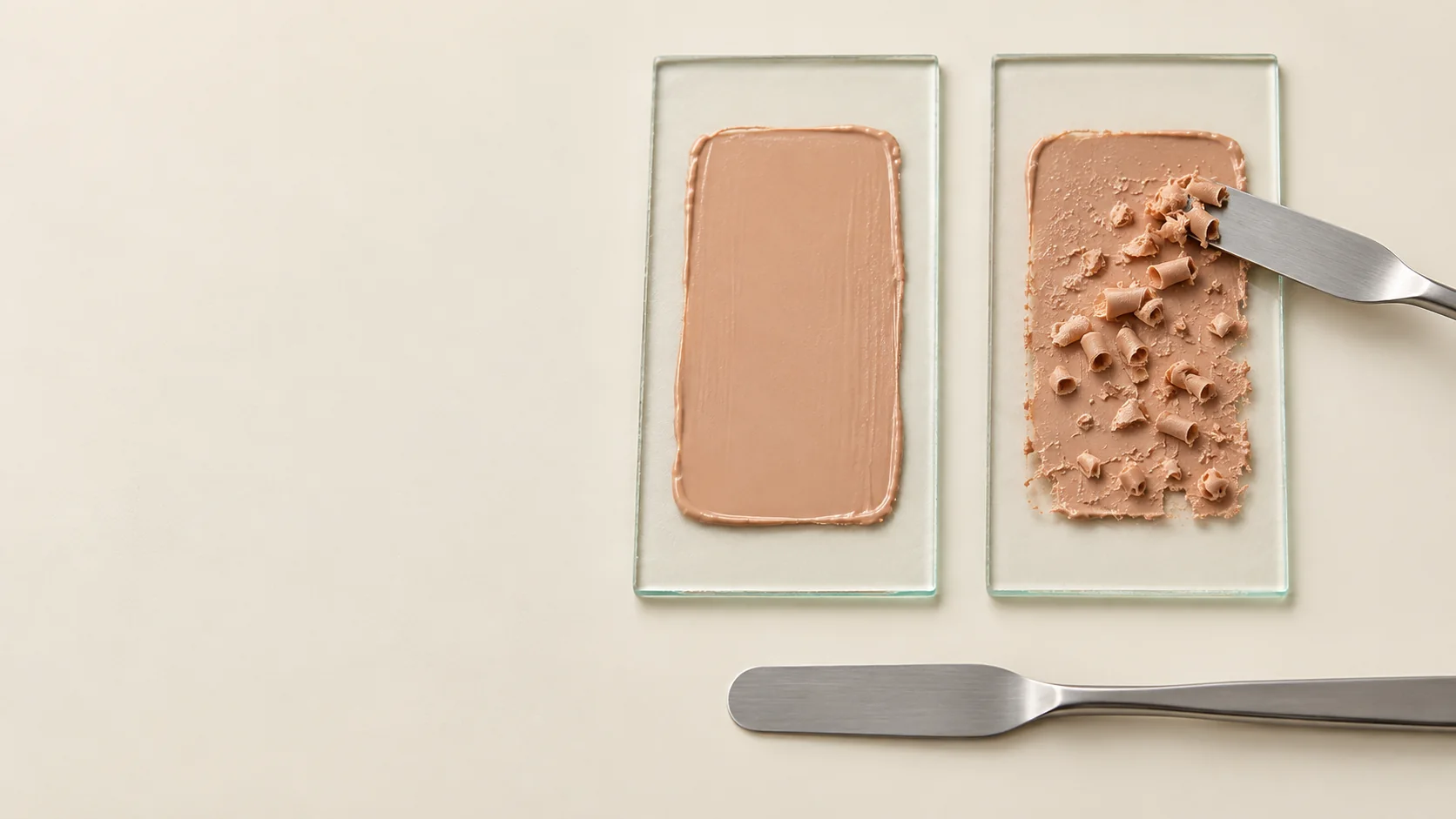
Test amount, dry-down, friction, optional layers, and product pairs without relying on silicone-versus-water folklore.
Read the diagnostic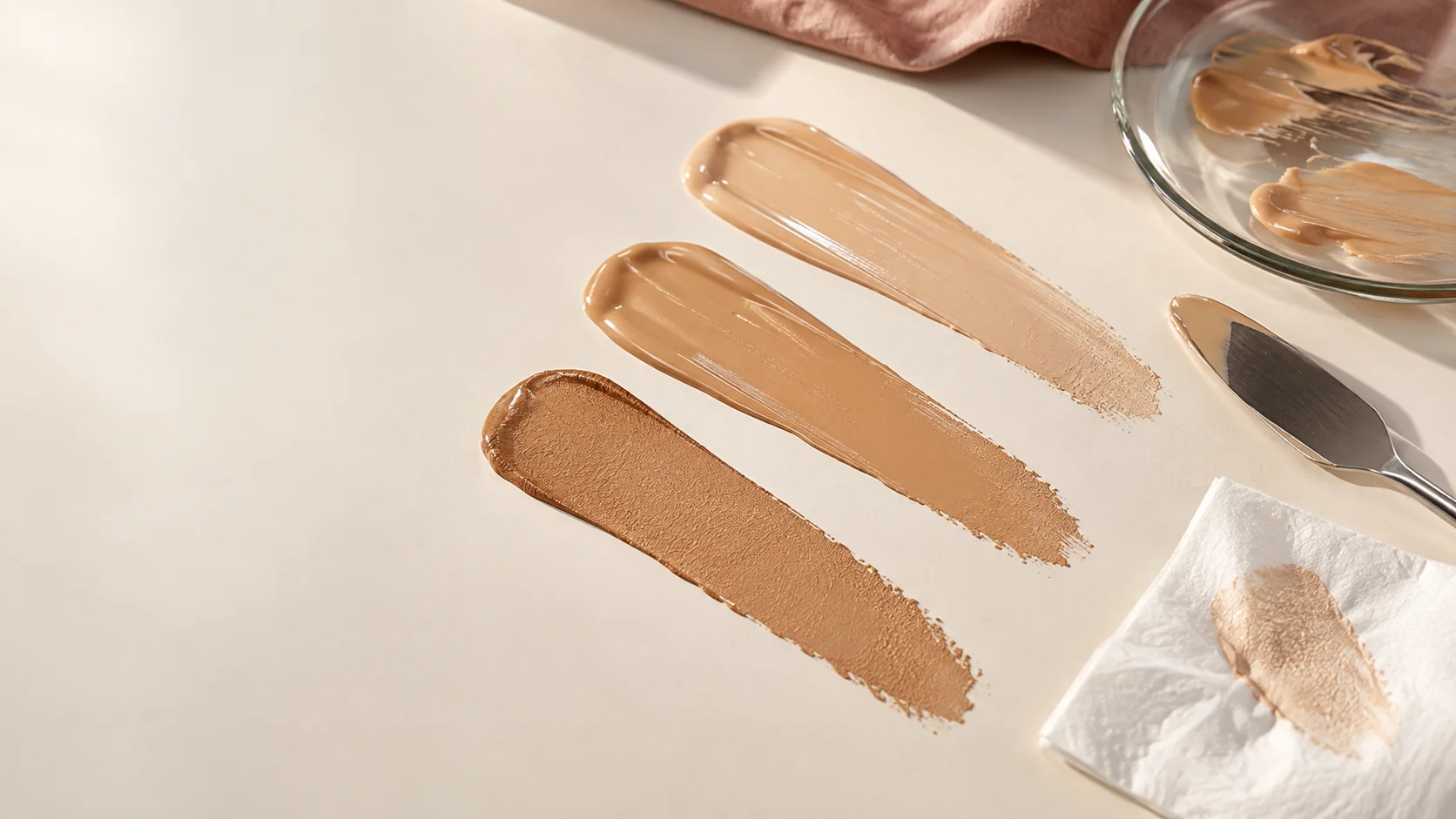
Compare playtime, leveling, transfer, powder interaction, and reactivation under controlled conditions.
Read the diagnostic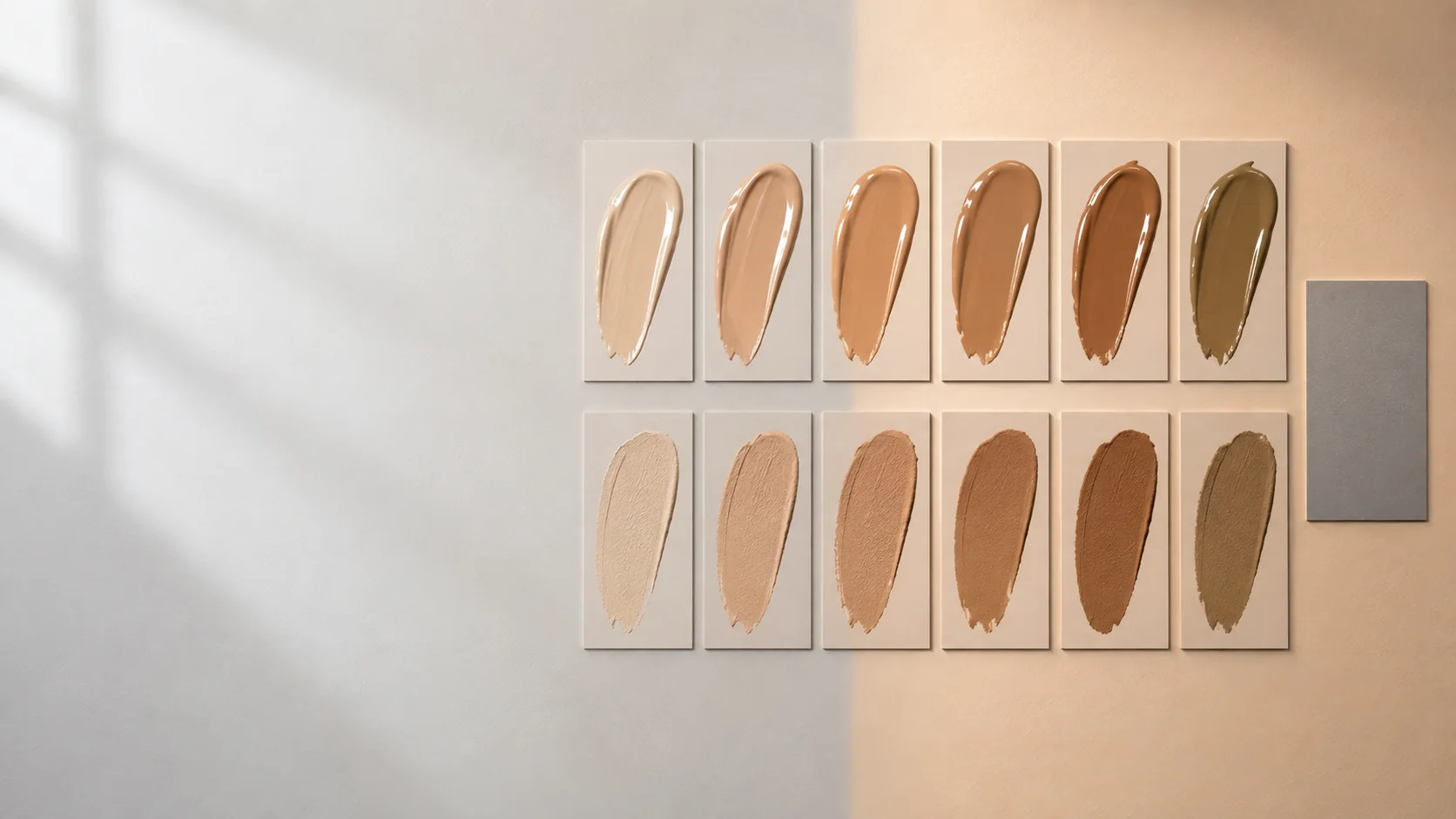
Diagnose value, chroma, dry-down shift, and lighting before making an undertone correction.
Read the diagnostic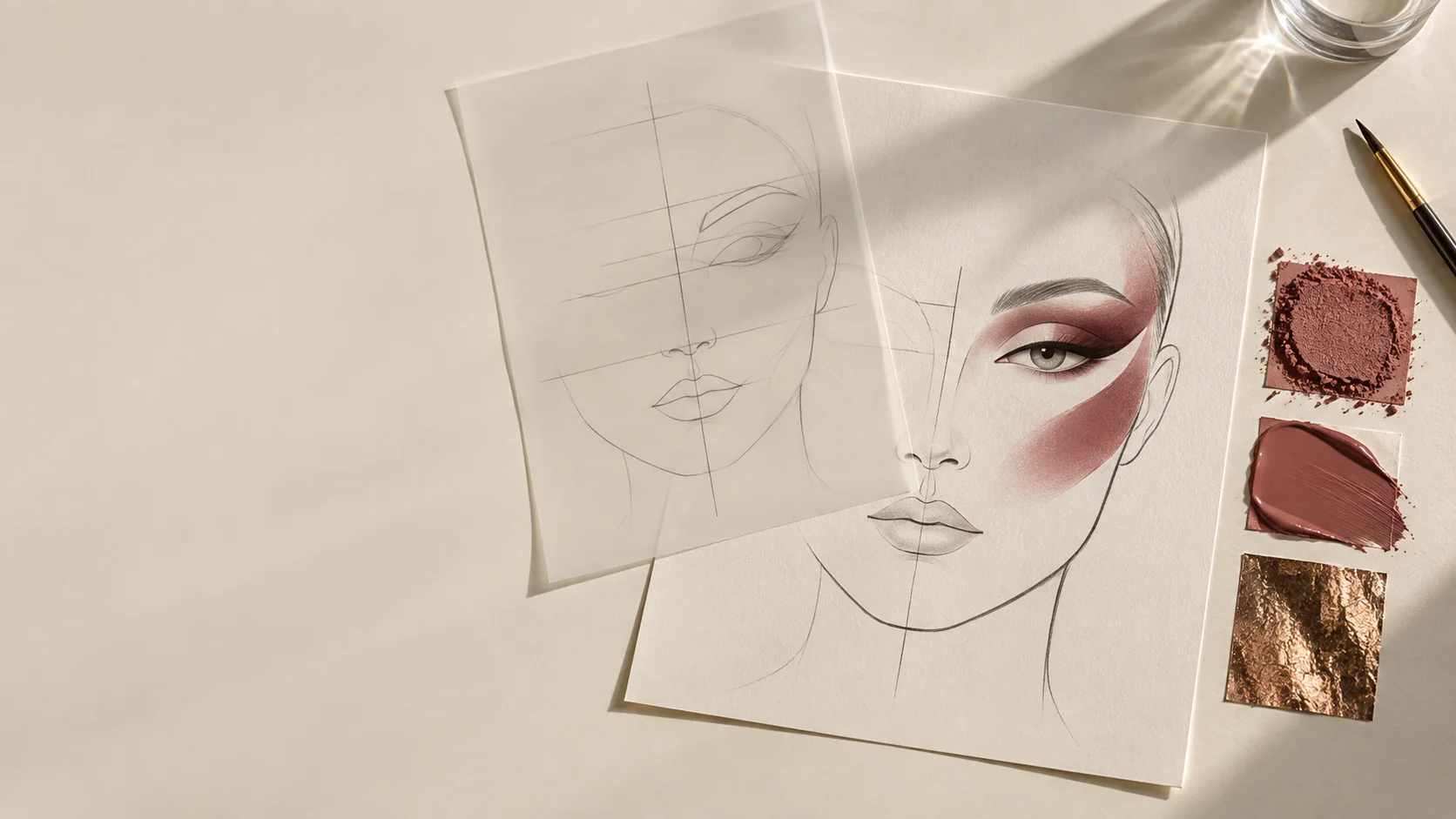
Extract hierarchy, proportion, edge, texture, and finish so a reference becomes a new working plan rather than a copy.
Read the diagnostic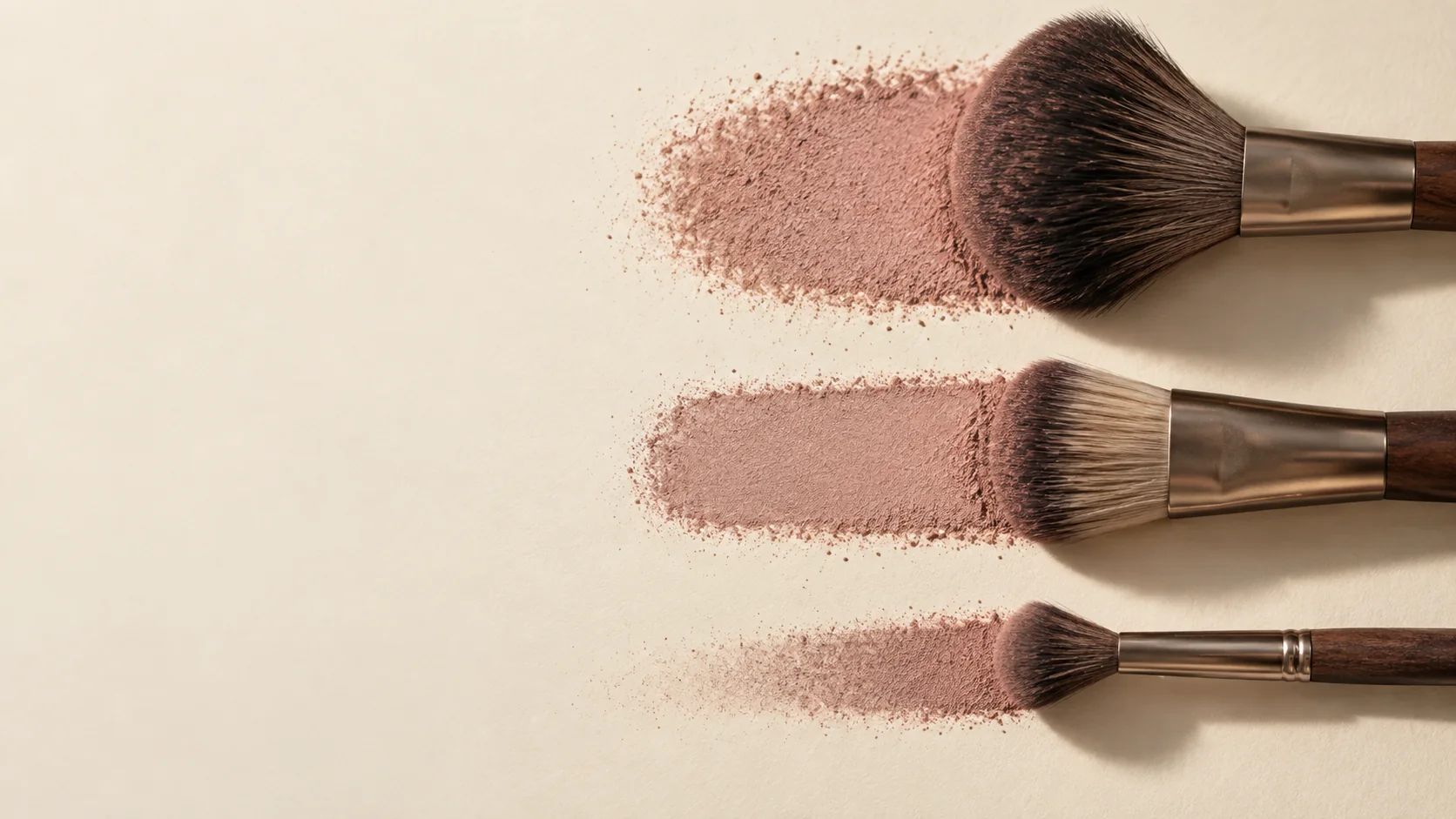
Compare density, flex, cut, pickup, release, and pressure by observing equal passes instead of brush names.
Read the diagnosticApplication Diagnostics
Name the visible failure without guessing the cause.
Change one amount, interval, motion, tool, or light source.
Keep the surface, crop, pressure, and documentation consistent.
Write what changed and keep the conclusion inside those conditions.
Review scope
Role-based attribution keeps the review responsibility visible without inventing contributor identities.
Pressure, load, placement, edges, correction, and tool behavior.
Layer compatibility, film behavior, ingredient evidence, wear, and transfer.
Value, chroma, illumination, camera context, hierarchy, and reference translation.
Featured
tools-and-kit
Compare what brushes pick up, hold, place, and move by controlling density, fiber flex, loft, cut, pressure, cleaning state, and product format.
editorial-and-trend
Break an editorial reference into hierarchy, proportion, edge, texture, finish, and color placement before rebuilding it for another face and brief.
color-theory-and-undertones
Separate undertone from depth, saturation, dry-down shift, surrounding color, and illumination before deciding why a complexion match looks wrong.
product-and-ingredients
Read a complexion formula through playtime, leveling, set, flexibility, transfer, and reactivation instead of relying on marketing finish labels.
skin-and-prep
Diagnose rolling and flaking across moisturizer, sunscreen, primer, and foundation by testing amount, dry-down, friction, and layer count one variable at a time.